I have been wanting to put this lesson together for awhile. I created an annuity spreadsheet to calculate the long-term impact of various spending habits. What would your retirement income look like if you brewed your coffee at home instead of going to Starbucks or drove a sedan instead of an SUV? When you replace small spending habits over a 30 year period and earn investment returns on the savings, the difference can be tens and even hundreds of thousands of dollars. Check it out:
Tag: Personal Finance
Book Review: Save, Spend, Invest, Give
 In Save, Spend, Invest, Give, Daniel Pecaut shares his expertise on personal finance as the CEO of an investment firm for over 30 years. Pecaut is a value investor inspired by value gurus like Warren Buffett and John Templeton. However, this is not so much a value investing guide as it is an inspirational personal finance guide. Continue reading “Book Review: Save, Spend, Invest, Give”
How to Start a Retirement Fund with Almost No Money

Many people I talk to want to do a better job of saving for retirement but don’t know where to begin. Maybe their employer offers a 401(k), but they don’t feel like it’s enough, or maybe they have no 401(k) at all and desperately need to get something started.
Many people also don’t have much money to get started with. They might want to start investing as little as $20 per month. The fee structures of mutual funds and the transaction fees brokers have for purchasing securities can make investing small amounts of money at a time very impractical, but that aspect of the investment industry is changing, and there are some new opportunities for small-time investing that weren’t there only a few years ago. Continue reading “How to Start a Retirement Fund with Almost No Money”
Book Review: The Total Money Makeover
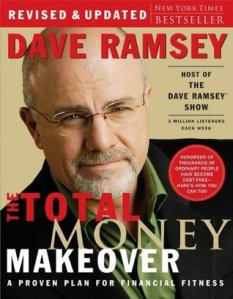 Dave Ramsey’s Total Money Makeover is not a perfect system, nor is this a perfect book, but it is the reality check that tens of thousands of American consumers need. After one filters out the unhelpful testimonials and the plugs for his radio show, this book a lot of good common sense about finances.
Ramsey rightly compares personal finance to personal health. Most of it is common sense, but as he says, it is 20% knowledge and 80% behavior. Ramsey’s system is all about correcting behavior. There are some methods that are more efficient than Ramsey’s but that offer too many temptations that many people can’t handle. While Ramsey encourages you to follow his system strictly, he is forthcoming about the arguments against everything he says. This is an important reason why I recommend this book.
Some people need this system and need to follow it strictly to fix their finances. Some people are already doing okay and can keep doing what they are doing. I would say that this program is not for everyone, but everyone should read it to make sure. It could be the difference between becoming a millionaire and going bankrupt. Even if you don’t use it all, there is plenty of good information and some solid reality checks in here for everyone, even those who already know a lot about finance and are financially successful.
 Econ4All